Connect HubSpot to the referral workflow you already run.

If your customer data, lifecycle logic, and pipeline milestones already live in HubSpot, that is where your referral operations should connect. The goal is not another dashboard to babysit. The goal is a referral workflow your marketing and revops teams can actually run.
Best when the team already trusts HubSpot lifecycle stages, deal stages, or custom properties.
Live workflow
HubSpot referral workflow

CRM

Source of truth

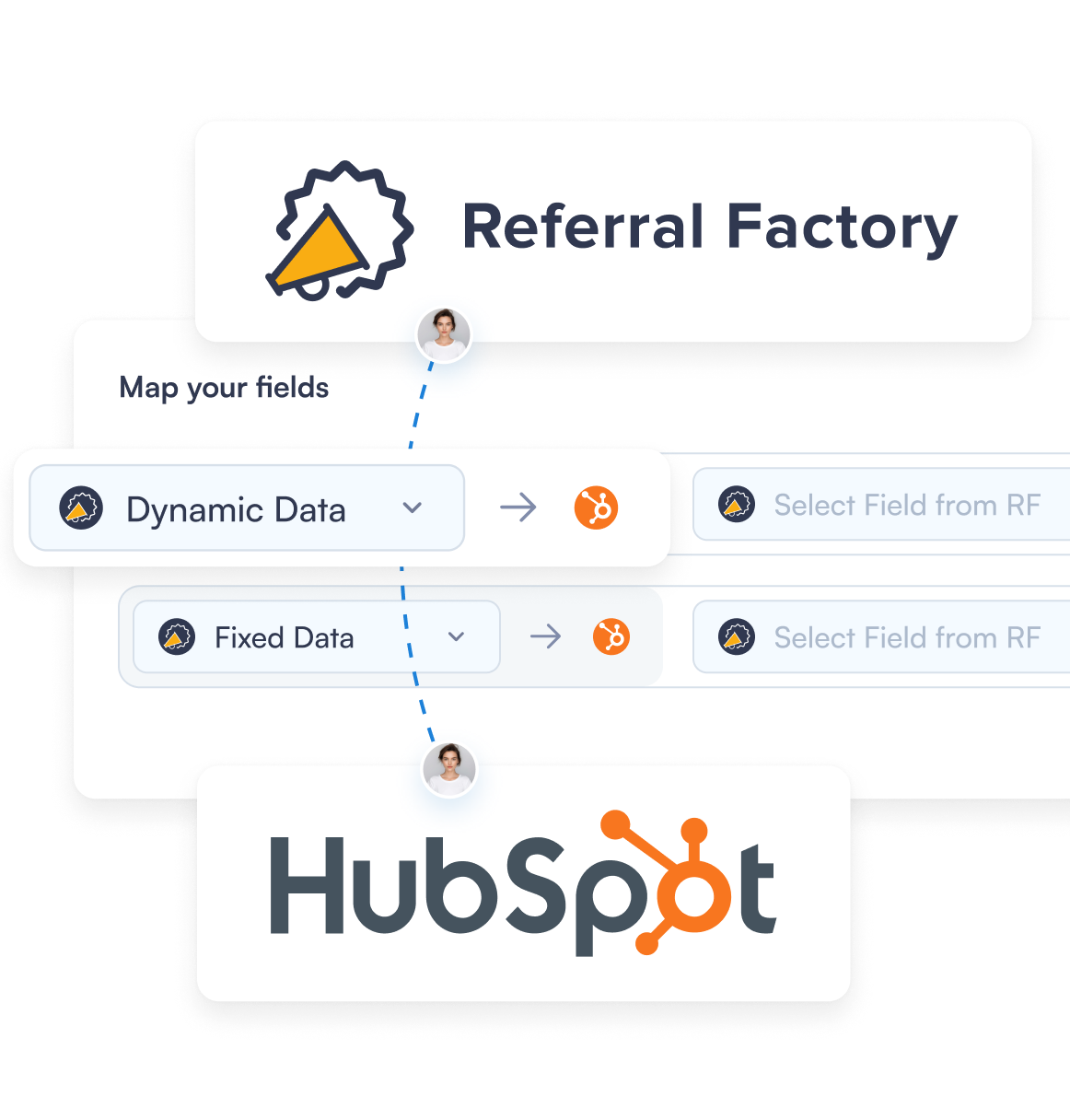
Use the HubSpot records your team already works in to keep referral enrolment and lead qualification tied to the same commercial data.

Milestone

Qualification rule

Tie referral qualification to the correct lifecycle stage, deal stage, or custom property change so rewards only move when the commercial milestone is real.

Why this matters

Why HubSpot is a practical referral operations layer

HubSpot is a strong referral operations layer when your team already uses it to manage customer lifecycle, handoffs, and revenue stages. It keeps attribution and action in the same place.
Operational leverage
Referrals land where the team already works

Referrals land where the team already works

New referred leads can move into the same pipelines, ownership rules, and follow-up motions the team already runs every day.
Qualification can follow real pipeline progress

Qualification can follow real pipeline progress

Instead of guessing which referrals converted, you can qualify from lifecycle stages, deal stages, and custom property changes the business already respects.
RevOps does not have to rebuild the workflow

RevOps does not have to rebuild the workflow

Referral operations become another clean motion inside HubSpot rather than another spreadsheet-driven process no one wants to own.
The strongest integrations remove handoffs between customer data, qualification logic, and reward operations.
A clean milestone is more useful than a flashy automation because it protects both ops and unit economics.
Teams get more value when the referral workflow runs where they already track the customer relationship.

What this unlocks

What HubSpot unlocks once Referral Factory is connected

The useful pattern is simple: enrol the right people, route the right referrals, and qualify the right outcomes without spreadsheet cleanup.
Built for live programs
Generate referral links from HubSpot contacts

Generate referral links from HubSpot contacts

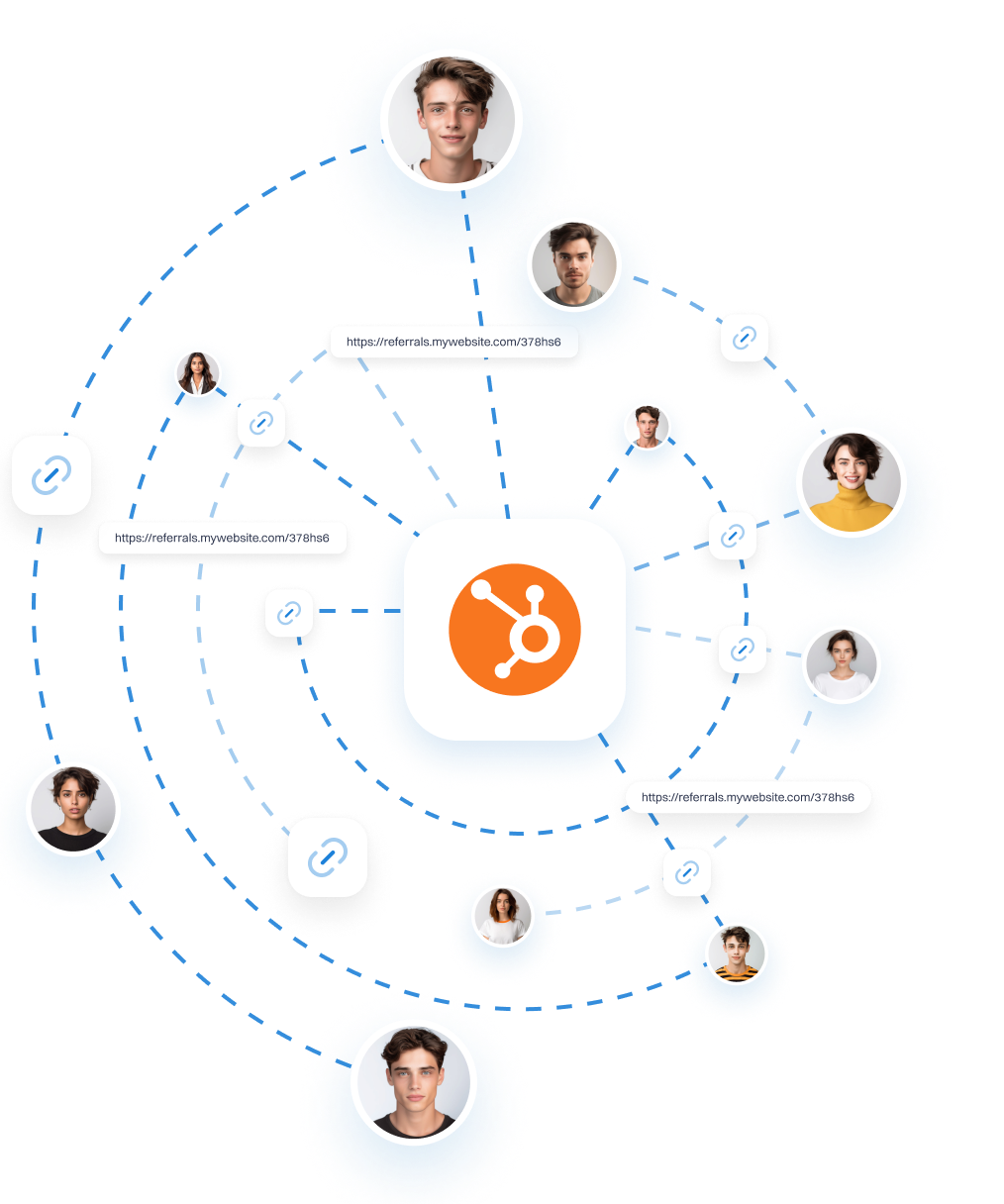
Enrol the customers you already manage in HubSpot so they receive links and tracking without a manual export-import routine.
Route referred leads into your existing funnel

Route referred leads into your existing funnel

Push new referrals into the same lifecycle and ownership model your revenue team already understands.
Qualify on pipeline milestones

Qualify on pipeline milestones

Trigger qualification when the referral reaches the lifecycle stage, deal stage, or custom property threshold that matters commercially.

How the workflow runs

How the workflow runs when HubSpot is the source of truth

The cleanest setup uses HubSpot for the commercial signal and Referral Factory for the referral mechanics. That separation keeps each system doing the job it is already good at.
Sync the right contacts into the program

Step 1

Sync the right contacts into the program

Start with the segments already most likely to refer so the program is relevant from day one.
Capture new referrals into HubSpot

Step 2

Capture new referrals into HubSpot

Send referred people into your live follow-up workflow rather than into an isolated referral inbox.
Watch for a trusted lifecycle or deal signal

Step 3

Watch for a trusted lifecycle or deal signal

Use HubSpot status changes to decide when a referral becomes commercially real.
Issue the reward without a manual audit trail

Step 4

Issue the reward without a manual audit trail

Once the qualification rule is met, your team can trigger reward operations with far less admin.

Who this fits best

Best fit for teams already operating in HubSpot

This is strongest for teams that already treat HubSpot as the operating layer for customer lifecycle and revenue movement.

Marketing teams running lifecycle-driven campaigns

Good fit when referral enrolment should happen from customer segments, usage milestones, or post-sale moments already stored in HubSpot.

RevOps teams that care about clean qualification

Good fit when the business wants one clear source of truth for when a referred lead actually becomes qualified.

Sales teams managing handoffs in HubSpot

Useful when referred leads should move through the same ownership and pipeline process as any other revenue opportunity.

Launch checklist

What needs to be true before you switch this on

The fastest launches happen when the milestone is clear, the owner is known, and the data already lives where your team works.

Clean records in the source system

Make sure HubSpot already contains the customer or conversion data you want to use for referral operations.

A simple enrolment path

Decide whether you want to generate links from existing records, sign people up through a form, or support both motions.

One qualifying milestone: the correct lifecycle stage, deal stage, or custom property change

Pick a milestone the business already trusts so rewards are tied to real commercial progress instead of guesswork.

Automation ownership

Assign one revops or marketing ops owner to own mappings, qualification rules, and what should happen after a referral converts.

Review and exception handling

Decide which scenarios can run automatically and which ones should pause for review before a reward is issued.

A reporting loop

Track enrolments, referred leads, qualification rate, and issued rewards so the team can improve the workflow instead of babysitting it.

Next step

Put HubSpot to work in the referral channel

If HubSpot already drives how your team qualifies demand, it can also drive how referral demand gets enrolled, routed, and rewarded without extra operational drag.
HubSpot referral workflow

Use existing data

Keep customer, lead, or payment context inside HubSpot instead of rebuilding the workflow somewhere else.

Qualify on real outcomes

Base rewards on the correct lifecycle stage, deal stage, or custom property change so the business can trust the trigger.

Reduce admin drag

Give the team a cleaner referral workflow without creating one more system to monitor manually.

FAQ

Questions teams ask before they wire this into a live program

The pattern only works when qualification, routing, and reward rules are clear. These are the questions most teams need answered before rollout.
What does the HubSpot integration actually automate?+
HubSpot helps you enrol customers from HubSpot, send referred people into your live funnel, and qualify them from pipeline movement that already matters to the business. The point is to move referral operations into the same workflow the team already trusts instead of creating a second admin process.
Do we have to change the way we already use HubSpot?+
No. The better setup keeps your existing HubSpot workflow intact and uses Referral Factory to add referral-specific tracking and reward logic around it.
What should count as a qualified referral in HubSpot?+
Use one milestone the business already believes in, such as the correct lifecycle stage, deal stage, or custom property change. When the qualifying event is obvious, rewards become easier to defend and easier to automate.
Who should own the setup?+
Give ownership to the person closest to the HubSpot workflow. They should understand the data, the milestone, and what the team wants to happen after a referral is qualified.