
Typical reward range
$25-$1,000
Smaller product lines can use lighter incentives, while mortgages and wealth products can support larger payouts.
Half price through October on Basic and Pro plans. New customers only. See pricing
Banking & Financial Services
If your business already wins through trust, referrals should not be left to chance. This page shows why referrals work so well in banking and finance, what to reward, when to ask, and how to run the program without adding unnecessary admin.
Typical reward range
$25-$1,000
Smaller product lines can use lighter incentives, while mortgages and wealth products can support larger payouts.
Case-study growth lift
37%
Structured referral programs can add meaningful annual client acquisition without relying only on paid channels.
Best time to ask
Referral timing matters
Best time to ask: after onboarding, approval, or another trust-building milestone.
Watch the walkthrough
Finance referral program walkthrough
Referral-ready criteria
Do not launch a referral program just because the industry has word of mouth. Launch when customers are happy, the referral moment is obvious, the reward makes economic sense, and conversion can be tracked.
Why this works
Finance is a trust-led category. When an existing client recommends a provider, a large part of the credibility work is already done before your team speaks to the new lead.

People rarely choose a financial product purely because they saw an ad. Referrals help you bypass the initial trust barrier and start with warmer intent.

Accounts, cards, mortgages, insurance, and advisory relationships each create different entry points for a referral program to work.

A client who arrives through a trusted recommendation is usually more confident, easier to convert, and more likely to build a lasting relationship.
Referred prospects usually need less trust-building before they are ready to act.
You can pay only after a funded or verified milestone, which protects unit economics.
The channel works across multiple products instead of relying on one campaign or one offer.
Case study
Financial institutions use this model to create steady client growth. The point is not to guess whether referrals might work. It is to see the scale available when you combine a trusted relationship, a clear incentive, and a verified payout milestone.
How many clients will you ask to refer?
Estimated annual referral leads
This estimate shows the lead volume available when referral asks become part of onboarding, servicing, and relationship management.
About 25% of customers asked will actively refer
Each referring customer generates roughly 2 leads per year
One B2B financial services business used a referral program to generate thousands of qualified leads through its own customers and sales team, tracked end to end in Salesforce. Read the case study.
Program design
The strongest programs are simple: reward the existing client for a qualified new customer, and give the referred person a concrete reason to take the next step.
Reward design
Cash or account credits usually perform best because the incentive is easy to understand and naturally fits the category.
Friend-facing offer
The referred friend also needs a clear reason to engage, whether that is a welcome bonus, waived fee, or product-specific benefit.
You do not want them saying:
"Use my link so I can get paid."
You want them saying:
"Use my link and get a $200 welcome bonus when you open and fund your account."
That sounds like a practical recommendation, not a sales pitch. The reward motivates the client to share, while the offer helps the friend say yes.
Timing
The best time to request a referral is after the client feels that your business delivered real value or removed real friction.
After account opening, when the new relationship feels fresh and positive.
After loan approval or another major financial milestone.
After a strong support interaction that confirms trust in your team.
When the client sees a positive product outcome, like savings growth or a funded account bonus.
During periodic relationship check-ins so the referral program stays active over time.
Timing rules
The best referral program still fails if the ask happens at the wrong moment. Build the timing into your process so the prompt shows up when the customer is most likely to share.
Tie the ask to a verified service moment, not a generic marketing blast.
Use compliant, approved wording so the ask stays easy for front-line teams to deliver.
Keep the referral path simple enough to explain in one sentence.
Referral flow
The mechanics should stay simple for both the client and the business, even when the product itself has a more complex qualification process.
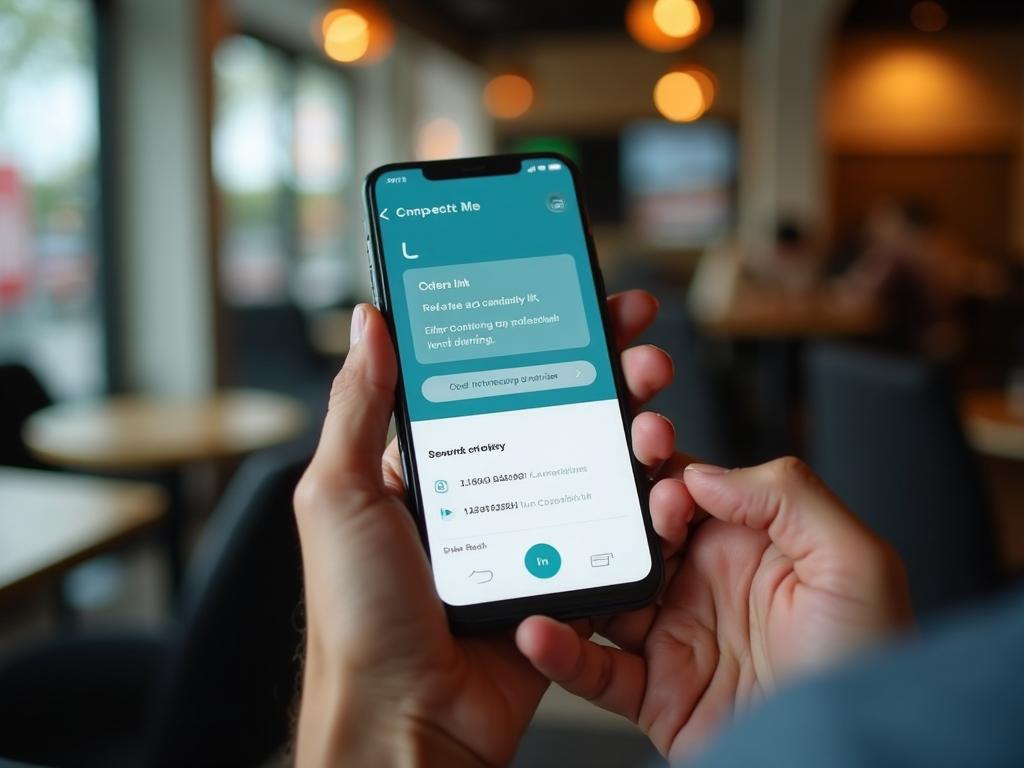
Make it easy to share by text, email, or inside your app or portal.

Lead with the benefit they receive, not just the reward the referrer earns.

Track approval, funding, or first activity so attribution stays clean.

Issue the reward after the milestone is met so trust in the program stays high.
Launch requirements
You do not need a large marketing team. You need clear rules, verified milestones, and a system that keeps tracking and payouts organized.
Use one system to manage the program and keep customer, referral, and payout data tied together.
Give people a simple way to share that does not require a long explanation from your team.
Make the qualifying milestone explicit so everyone knows when the reward is earned.
Follow up at the moments that matter so participation does not depend on memory.
Your team should know exactly how to introduce the program when the customer is most likely to share.
Measure participation, lead quality, and revenue so you can improve the program over time.
Exclusive offer
The next step is a live demo. We will walk you through the setup, reward timing, and operating model for your category, and if you decide to build with Referral Factory afterwards, you can get 50% off your first six months.
See how Referral Factory would fit your team, referral flow, and qualification milestones before you commit.
After the demo, if you decide to launch with Referral Factory, you can unlock 50% off your first six months.
Use proven timing, reward, and compliance-friendly operating patterns instead of inventing the process from scratch.

FAQ