Case studies

Referral growth in the wild.

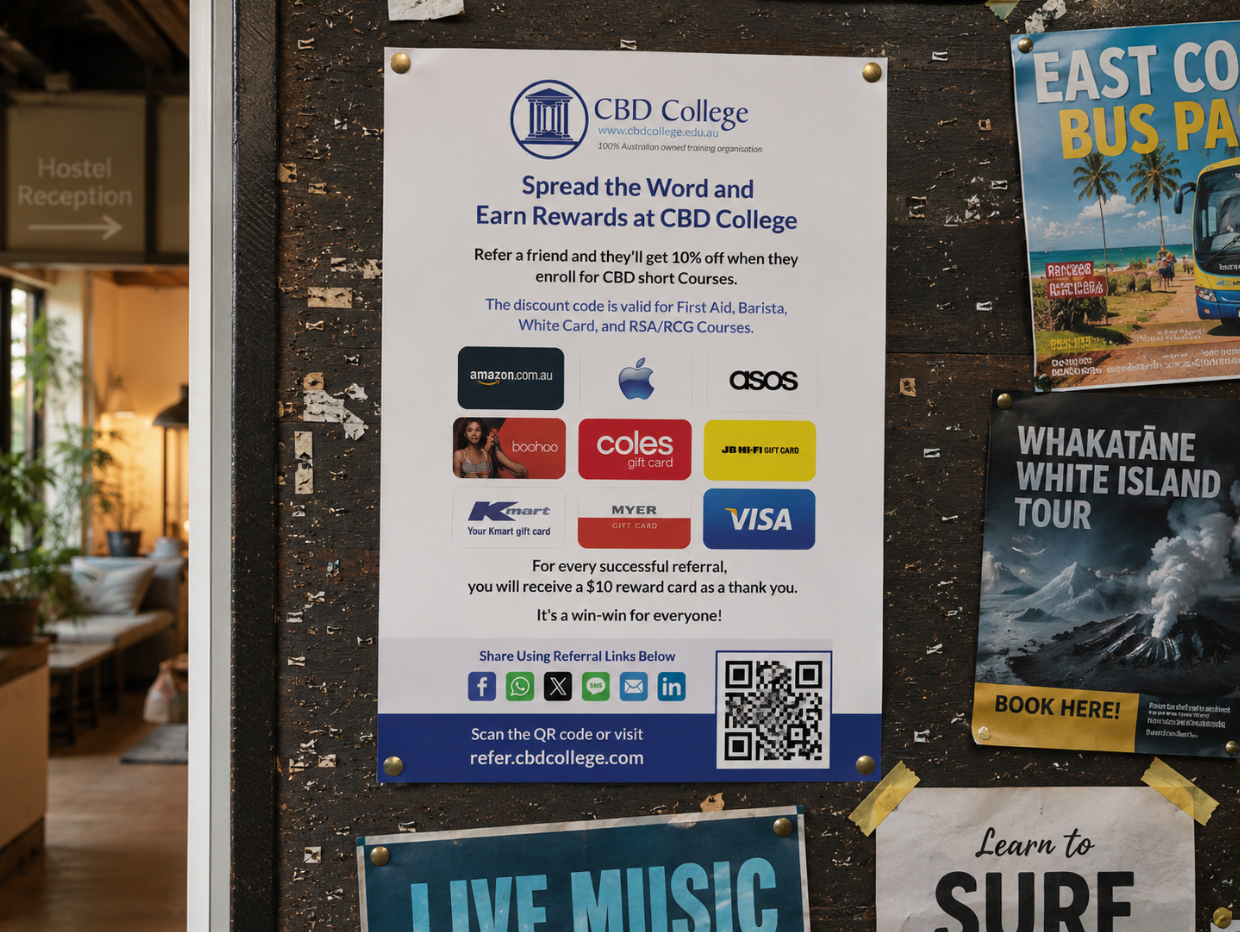
Learn from some of the best referral programs in the world, proudly hosted by Referral Factory. Get the data from referral programs in your industry and use it to benchmark your own launch plan.

Benchmark

3x

Higher conversion intent

Leads that come through referrals are 3x more likely to convert than leads from paid channels.

Benchmark

37%

Better retention

Customers acquired through referrals show a 37% higher retention rate than other customer cohorts.

Benchmark

84%

B2B buying starts with trust

84% of B2B decision-makers start the buying process with a referral, which is why B2B referral program case studies matter.

Case study library

See how teams turn trust into pipeline.

Every case study covers the setup, the mechanics, and the results — so you know what’s possible before you build your own program.

Real program outcomes
See how this bank got 5000 new customers referred
Referral Factory hosted

See how this bank got 5000 new customers referred

Read case study
Education platform gets 2000 leads after launch
Referral Factory hosted

Education platform gets 2000 leads after launch

Read case study
Unpack how a solar company generated $8m in referrals
Referral Factory hosted

Unpack how a solar company generated $8m in referrals

Read case study
Healthcare SMB achieved a 47% conversion rate
Referral Factory hosted

Healthcare SMB achieved a 47% conversion rate

Read case study

Free tool

Seen the case studies? Get a real referral link for your brand.

Enter your website and we connect it to Referral Factory so you receive a genuine referral link tied to your program—something your customers can actually share, not a mock URL.

Connect your domain and get a customer-ready referral link.

See how referrals will look when shared in the wild.

Scale rewards, tracking, and journeys in Referral Factory when you are ready.

Benchmarks

The benchmarks that actually matter.

Referral case studies become useful when the numbers help you judge quality, retention, economics, and launch readiness. These are the benchmarks worth comparing against.

Operator note

The best programs improve lead quality first. Volume follows once the referral loop is promoted consistently.

3x

Higher conversion intent

Leads that come through referrals are 3x more likely to convert than leads from paid channels.

37%

Better retention

Customers acquired through referrals show a 37% higher retention rate than other customer cohorts.

84%

B2B buying starts with trust

84% of B2B decision-makers start the buying process with a referral, which is why B2B referral program case studies matter.

53%

Double-sided rewards win

Double-sided referral programs generate 53% more referrals than single-sided offers.

40%

Lower cost per lead

Businesses that launch referral programs can reduce cost per lead by up to 40%.

14-28%

Lead pipeline lift

Many teams see a 14% to 28% boost in lead pipeline after launching and promoting their referral program.

Insight angles

Turn search intent into a planning advantage.

Browse the exact case-study angles teams search for when they are benchmarking referral performance by industry, business model, and launch maturity.

Search intent

What referral program case studies actually tell you

Look for audience size, reward logic, and channel mix.

Qualified leads and retention matter more than vanity traffic.

The best programs stay simple for the customer and the team.

Referred customers don’t just arrive cheaper — they tend to stay longer. Across industries, referral-acquired customers show 37% higher retention than other cohorts, which matters most in businesses where long-term value is built after the first sale.

The point of reading referral marketing case studies is not to copy another business word for word. It is to understand the mechanics behind the result. Strong case studies reveal the size of the audience that was invited, the reward structure that was used, the channel mix that promoted the offer, and the way conversions were tracked. They also reveal the hidden truth behind referral growth: the best referral programs are usually simple. Customers are given a clear offer, a good reason to share, and a short path for their friends to convert. When those three ingredients are present, referral programs become easier to launch, easier to explain internally, and easier to optimize over time.

Program stack

The same referral engine behind the stories.

Every program in this library was built and run on Referral Factory. Here’s what’s under the hood.

See pricing
Build

Referral program builder

Use our AI powered builder to create a referral program. Page editors / upload HTML.

Promote

Widgets, pop ups, embeds.

Install pop ups and widgets on your website. These can work for logged out, and logged in users.

Track

Out of the box tracking

Send new referrals into your workflows. Automated conversion tracking.

Sync

Integrations and automations

Connect to HubSpot, Stripe, Intercom, Salesforce, Zoho, Pipedrive, Zapier and more.

Reward

200+ types of rewards

200+ gift cards in multiple currencies. Cash payouts. Custom rewards for swag, tokens, discounts, coupons.

Protect

Fraud alerts

Track users that sign up from the same IP, or using suspect emails. Don't issue rewards for fake referrals.

FAQ

Referral marketing FAQ

The same questions keep coming up when teams benchmark case studies, compare tools, and prepare their own launch. Here are the direct answers.
What should I look for in a good referral program case study?+
A good referral program case study should give you more than a headline result. It should explain why the program worked, who it was offered to, how the campaign was promoted, what reward structure was used, and how success was measured. The best case studies tell you whether the result came from a single email, an always-on referral loop, a customer success workflow, or a broader multi-channel launch. They also show whether the business had the right conditions for referrals in the first place: an engaged customer base, a clear offer, a simple sharing mechanism, and a meaningful incentive. If a case study only talks about clicks, impressions, or signups, it is incomplete. The most useful referral marketing case studies focus on qualified leads, conversion rate, customer value, and retention. In other words, a strong case study should help you answer a practical question: could a similar referral model work in my business, with my customers, under my economics?
What results are realistic when launching a referral program?+
Realistic results depend on your industry, customer base, sales cycle, and how actively you promote the program, but there are a few benchmarks that matter. Referral leads are often much stronger than other leads because they arrive with trust already built in. Across Referral Factory content, referred leads are 3x more likely to convert than leads from paid channels, and many businesses see a 14% to 28% lift in pipeline after launching a referral program and consistently asking for referrals. That does not mean every business will suddenly generate thousands of customers overnight. Usually, the biggest wins happen when a business already has a healthy base of satisfied customers and gives them a clear, simple reason to share. A more realistic expectation is that a referral program improves lead quality first, then volume over time. The strongest programs become durable acquisition channels because they reduce cost per lead, improve conversion rates, and keep delivering long after a paid campaign would have stopped.
Why do some referral program case studies outperform others so dramatically?+
The gap between an average referral program and a standout one usually comes down to execution, not luck. High-performing programs are introduced at the right moment, after a customer has experienced value and is emotionally ready to recommend the business. They use clear messaging, easy sharing, and a reward that feels fair relative to the value of the product or service. They are also promoted repeatedly through email, support teams, sales conversations, in-app prompts, widgets, or follow-up flows. Low-performing programs often have the opposite problem: the offer is vague, the reward is awkward, the landing page is confusing, or the business launches once and never mentions it again. Another major difference is the reward structure. Double-sided referral programs, where both the referrer and the friend benefit, consistently outperform single-sided offers because the recommendation feels helpful rather than self-interested. Strong case studies usually reflect a system that was designed to be easy to share, easy to understand, and easy to track.
Which industries tend to get the best results from referral programs?+
Referral programs tend to perform best in industries where trust matters, customer value is meaningful, and people naturally talk to others about the product or service. That is why case studies in banking, financial services, SaaS, education, healthcare, solar, home services, consulting, telecom, and travel are often so compelling. In these categories, customers are not making impulse purchases. They are making considered decisions, and recommendations from friends, colleagues, or family can remove a huge amount of friction. High-trust industries also benefit because referred customers often retain better and convert faster than colder leads. That said, the best industry is not always the one with the biggest reward. It is usually the one where customers genuinely understand the value they received and can easily identify someone else who would benefit from the same experience. If your customers regularly say things like "I know someone who needs this," you are likely in a strong position to build a referral channel.
How long does it take to launch a referral program and start seeing results?+
Most referral programs can be launched much faster than people expect, especially when the business already knows who to ask, what offer to lead with, and how conversions will be tracked. In many cases, the first version can go live in a matter of days, not months. The more important question is not how fast you can launch, but how quickly you can create a repeatable loop. Some businesses see results from a launch email almost immediately, while others build momentum over several weeks through ongoing promotion and optimization. Early wins usually come from a clean initial rollout to existing customers. Longer-term success comes from embedding referrals into the customer journey so the program keeps generating leads after launch. If you want meaningful results, focus on three things from day one: when customers will be asked to refer, what they will be offered, and how referred leads will be tracked through to conversion. The faster those pieces are clear, the faster your referral program becomes a reliable growth channel.

Start your program

Already have customers? Turn them into growth.

Use the case studies for inspiration, then launch your own referral engine with the pages, prompts, rewards, and integrations already stitched together.